
Rodent Control Service Banani | 24/7 Rat Extermination Experts
Eliminate rats & mice from your Banani property with our premium rodent control. Safe for luxury homes, restaurants & offices. 3-month warranty. Discreet service!
Read More →Discover the most effective rodent control methods, including trapping, poisoning, and prevention techniques to protect homes and businesses.
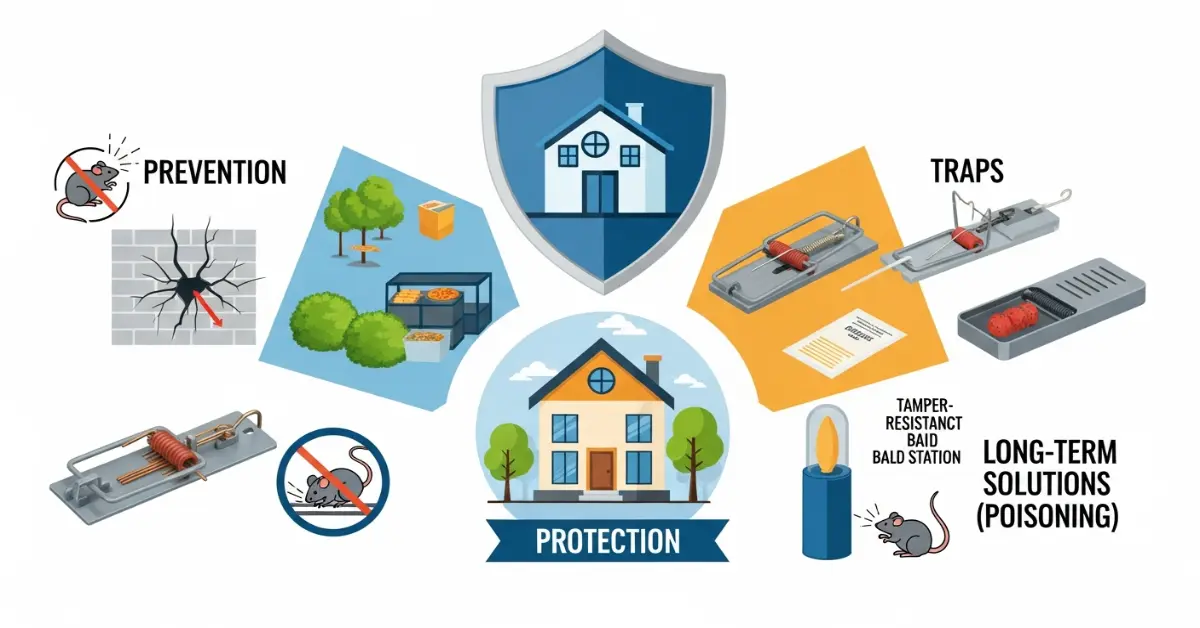
Rodents such as rats and mice contaminate food, damage property, and spread serious diseases. Effective rodent control is essential to maintain a safe and hygienic environment.
Even a small rodent infestation can grow rapidly if left untreated. Rodent control involves identifying entry points, removing food sources, applying the right control techniques, and implementing long-term preventive strategies.
Modern rodent control methods combine physical trapping, chemical solutions, eco-friendly repellents, and professional pest management services.
Rodents are mammals with continuously growing front teeth that they gnaw to keep trimmed. Common household rodents include rats and mice.
They pose serious risks, including food contamination, disease transmission, electrical fire hazards, and structural damage.
Each species may require a slightly different control approach.
Using multiple methods together delivers the best long-term results.
Toxic baits that kill rodents after ingestion. They should be used carefully to avoid harm to children and pets.
Enclosed stations increase safety and effectiveness by restricting access to the bait.
| Factor | Professional Control | DIY Control |
|---|---|---|
| Effectiveness | Very High | Moderate |
| Cost | Higher | Lower |
| Safety | Expert handling | User dependent |
| Long-Term Results | Yes | Limited |
Rodents can also trigger allergies and asthma.
The best rodent control method depends on infestation size, location, safety concerns, and budget. Combining trapping, sanitation, and preventive measures ensures long-term rodent control success.
Eliminate rats & mice from your Banani property with our premium rodent control. Safe for luxury homes, restaurants & offices. 3-month warranty. Discreet service!
Read More →
Get budget-friendly rodent control in Badda. Safe rat & mice removal for Middle, North, South Badda apartments. 3-month warranty. Same-day service near Hatirjheel!
Read More →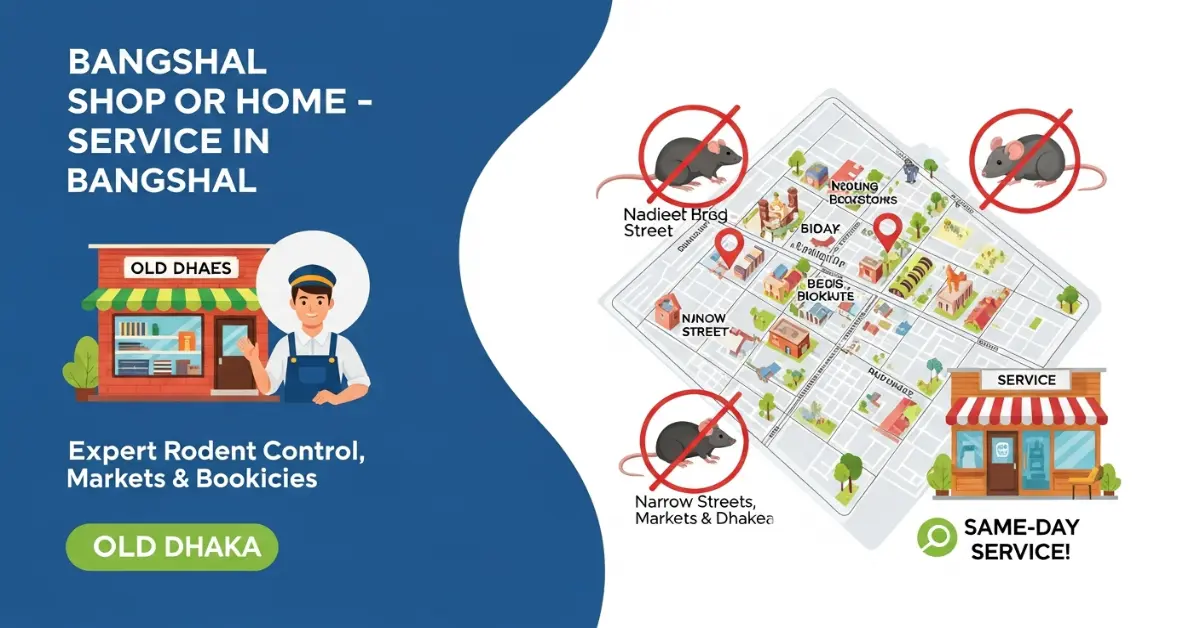
Eliminate rats from your Bangshal shop or home. Expert rodent control for Old Dhaka's narrow streets, markets & bookstores. Same-day service!
Read More →
Professional rodent control service in Dhanmondi. Safe rat removal, mice extermination & prevention. 24/7 emergency service near Dhanmondi Lake. Free inspection!
Read More →
Premium rodent control service in Gulshan. Expert rat removal for homes, embassies & offices. Discreet mice extermination near Gulshan Lake. Free inspection today!
Read More →
Affordable rodent control service in Khilgaon. Expert rat removal for homes, shops & apartments. Fast mice extermination near Bashabo. Free inspection service!
Read More →