Complete Guide to Bed Bug Control Methods
Bed bugs are small, blood-feeding insects that infest sleeping and resting areas, causing itchy bites, discomfort, and psychological stress. Once introduced, bed bugs spread rapidly and are notoriously difficult to eliminate without proper control methods.
🔹 What Are Bed Bugs and Why Are They Dangerous?
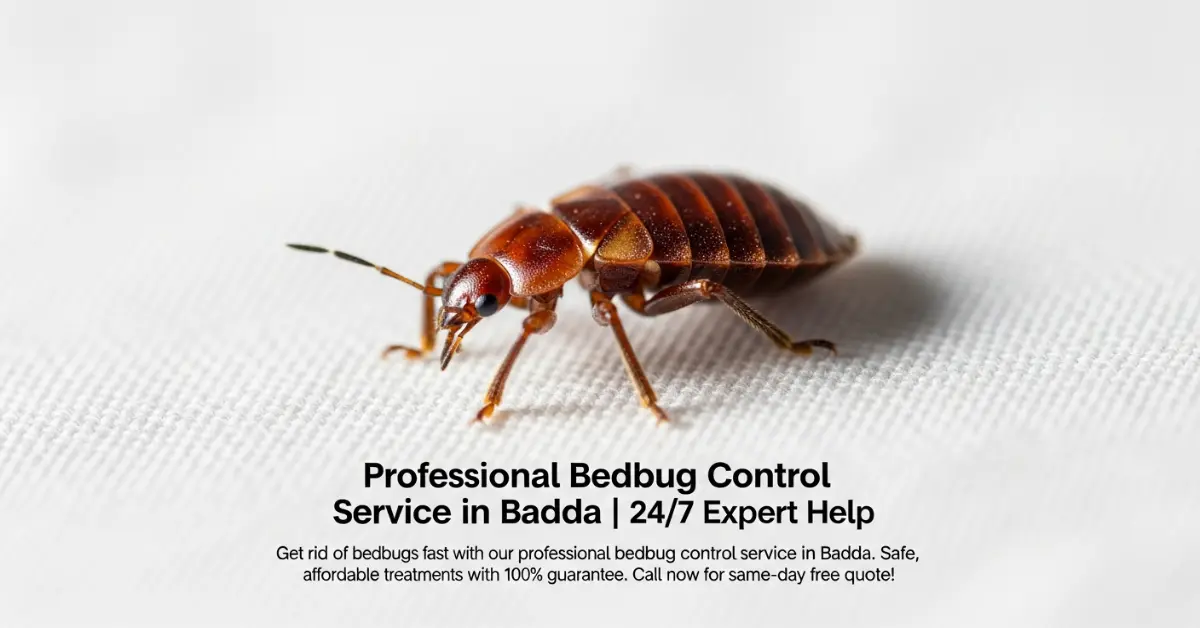
Bed bugs are flat, nocturnal insects that feed on human blood. Although they do not transmit diseases, their bites can cause allergic reactions, insomnia, anxiety, and mental distress. Their ability to hide in tiny crevices and survive for months without feeding makes effective bed bug control essential.
🔹 Signs of Bed Bug Infestation
- Small reddish bite marks on skin
- Blood stains on bedsheets
- Dark fecal spots on mattresses
- Shed skins and eggs
- Musty odor in severe infestations
Early detection significantly improves treatment success.
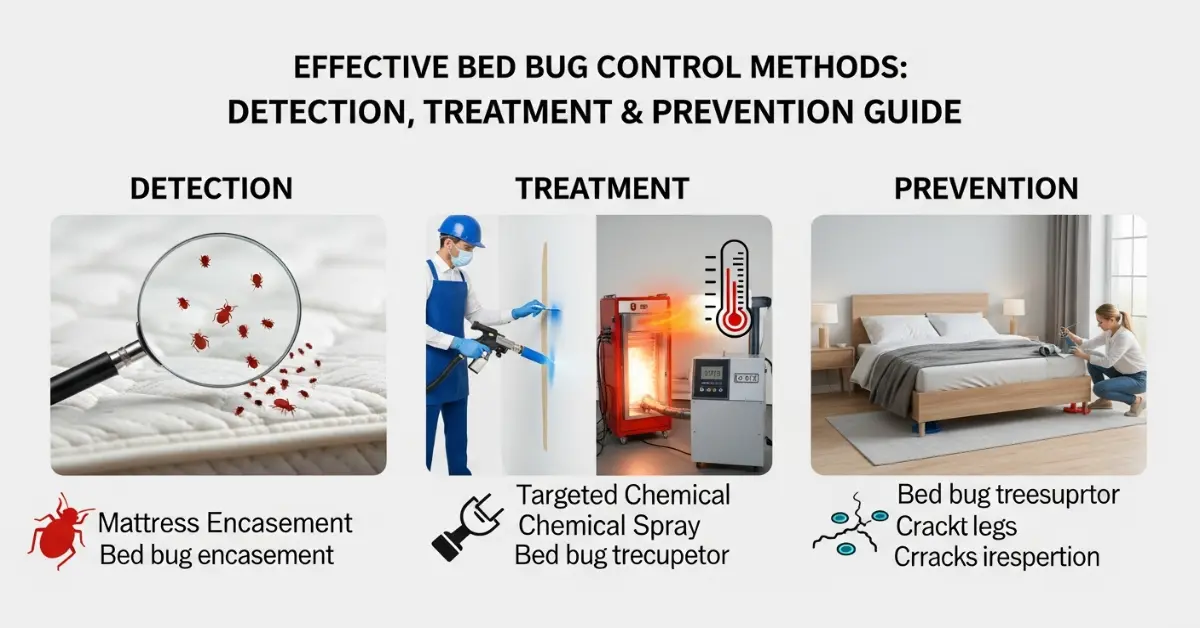
🔹 Bed Bug Control Methods Explained
- Chemical treatment
- Heat and thermal treatment
- Physical and mechanical control
- Natural and eco-friendly solutions
- Preventive management
Combining multiple methods ensures complete eradication.
🔹 Chemical Bed Bug Control Methods
- Residual Insecticides: Applied to cracks, crevices, and furniture surfaces.
- Contact Sprays: Kill bed bugs instantly but provide limited residual protection.
- Dust Insecticides: Effective inside wall voids and electrical outlets.
Chemical treatments must be used carefully to prevent resistance.
🔹 Heat and Thermal Bed Bug Control Methods
- Heat Treatment: Raising room temperature above 50°C (122°F) kills all life stages.
- Steam Treatment: Penetrates mattresses and furniture to destroy hidden bugs.
Heat-based methods are highly effective and chemical-free.
🔹 Natural and Eco-Friendly Bed Bug Control
- Diatomaceous Earth: Dehydrates bed bugs by damaging their exoskeleton.
- Essential Oils: Tea tree and lavender oils offer limited repellent effects.
- Vacuuming: Removes live bed bugs and eggs in early infestations.
Natural methods are best used as supportive treatments.
🔹 Physical and Mechanical Bed Bug Control
- Mattress encasements
- Furniture isolation
- Decluttering to reduce hiding spots
🔹 Preventive Bed Bug Control Strategies
- Inspect second-hand furniture
- Wash bedding regularly in hot water
- Seal cracks and crevices
- Use mattress protectors
- Monitor with bed bug traps
🔹 Professional vs DIY Bed Bug Control
| Factor | Professional Control | DIY Control |
|---|---|---|
| Effectiveness | Very High | Low–Moderate |
| Cost | Higher | Lower |
| Time Required | Fast | Longer |
| Long-Term Results | Yes | Limited |
🔹 Choosing the Best Bed Bug Control Method
The best bed bug control method depends on infestation severity, safety requirements, and budget. Professional heat treatment combined with preventive strategies provides the most reliable long-term solution.